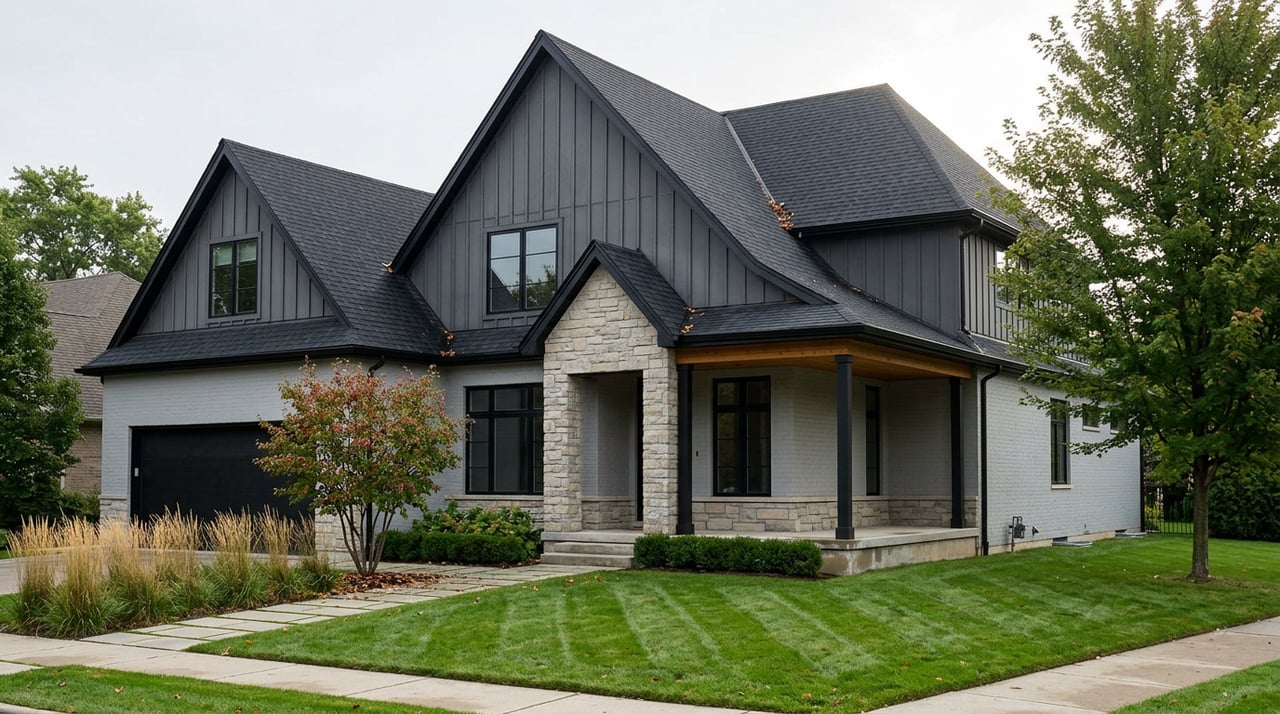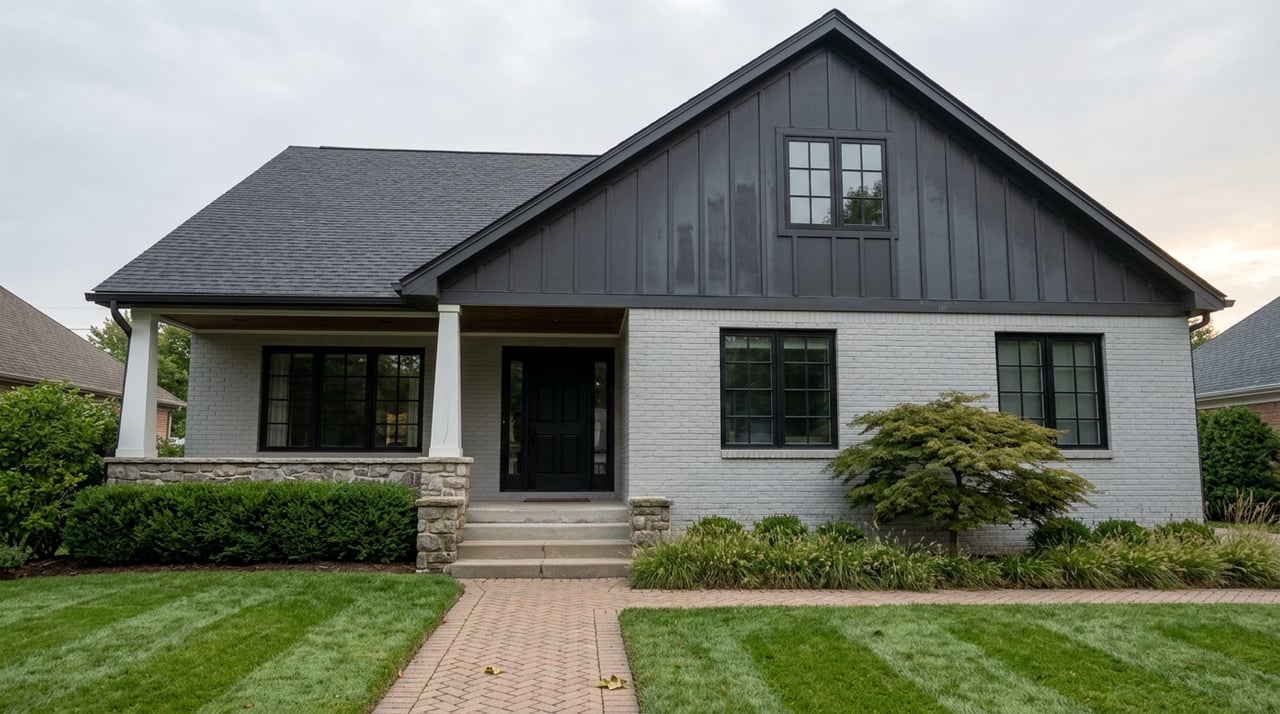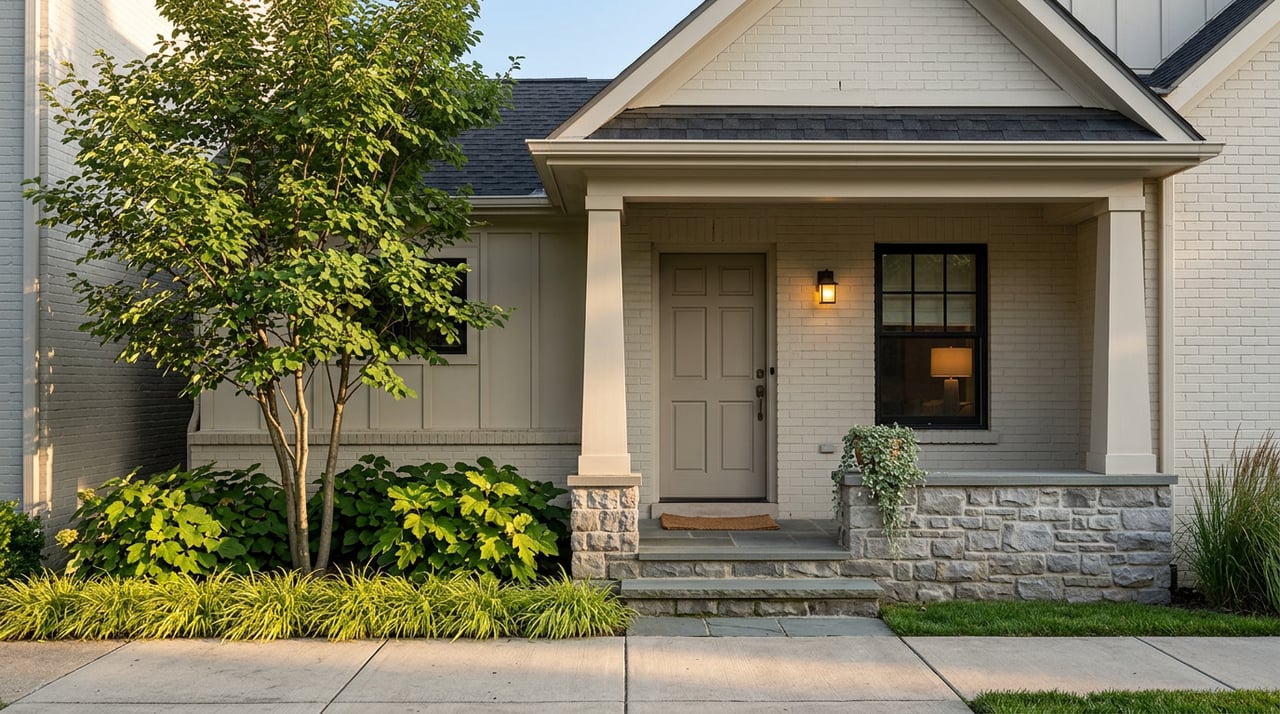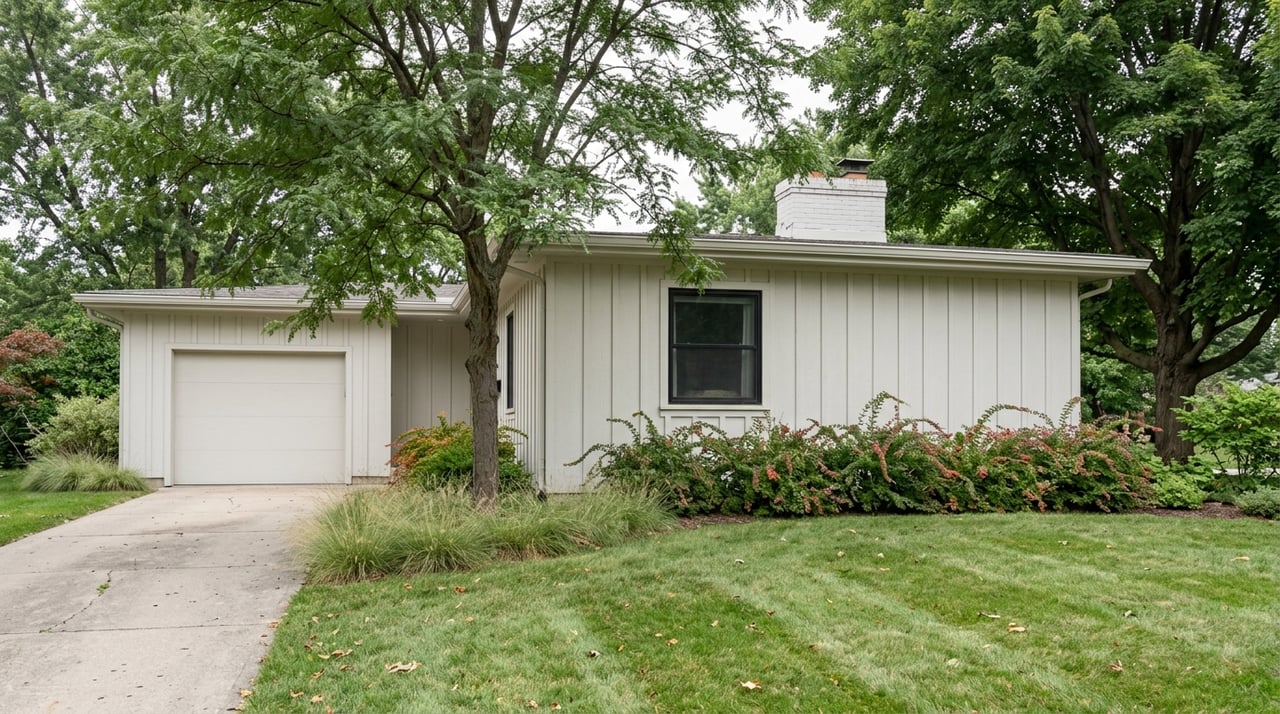
A buyer I worked with last spring stood in the kitchen of a 1959 rambler on a quiet loop street off Duluth Street, looking at knotty pine cabinets that had not been touched since Nixon was in office, and asked the obvious question: why is this priced like it's already been renovated?
The honest answer had nothing to do with the cabinets. It had to do with the corner lot, the mature oaks, and a fact almost no portal search will tell you: Golden Valley cannot grow. Not in the way most suburbs still can. The city's own planning department states it plainly on its website: Golden Valley is fully developed, and new single-family housing will occur through the splitting of an existing lot or the tear down and rebuild of an existing home. There is no third option. No open parcel waiting on the edge of town. Every new house here replaces an old one.
That single structural fact is doing more to set prices in this city than square footage, updates, or even the state of the roof. If you're comparing Golden Valley to Plymouth or Maple Grove using a median price pulled off a listing site, you're comparing two different kinds of markets wearing the same label.
The Zoning Code Is Quietly Setting a Ceiling
Once you accept that new inventory only arrives by replacement, the next question is what a builder is actually allowed to put on the lot they just cleared. The city's rebuild rules are specific, and they cap the upside on paper before a single stud goes up.
| Rule | Requirement |
|---|---|
| Front yard setback | 35 feet |
| Rear yard setback | 25 feet |
| Side yard setback | 4 to 15 feet, depending on lot width |
| Maximum height | 28 feet to the midpoint of the highest-pitched roof, or 25 feet for a flat roof |
| Minimum landscaping | 3 trees (at least 1 in the front yard) and 5 shrubs or perennials |
A tree survey is required before permitting begins, and removing significant trees during construction can trigger a requirement to plant replacements. None of this is unusual for a first-ring suburb. What it means in practice is that a builder cannot simply maximize the footprint to chase square footage. The buildable envelope on a standard Golden Valley lot is narrower than what the same acreage would allow in a newer development further out, which is exactly why the land itself, not the promise of a bigger house, is what buyers are bidding on when they look at a teardown candidate.
The New Construction Sitting on the Market Is the Tell
If land scarcity alone explained Golden Valley pricing, new spec builds would move fast. They aren't. As of May 2026, new-construction listings in the city carried a median list price around $1,297,450 and an average of $420 per square foot, and they were sitting for an average of 119 days before finding a buyer.
That gap between "the land is scarce" and "the finished product isn't selling quickly" is the most useful number in this whole market. It tells you the rebuild math is not automatic. A builder can win the land, clear the zoning hurdles, and still misjudge what a buyer at that price point actually wants, whether that's the floor plan, the finish level, or simply asking too much for the lot it sits on. For a buyer evaluating a teardown opportunity, that 119-day figure is a warning against assuming a rebuild is a guaranteed win. It is a bet on execution, not just location.
Two Golden Valleys, Priced on Different Logic
Not every part of the city runs on teardown math. Tyrol Hills, platted in 1934 and largely built out between 1940 and 1970, holds a concentration of architect-designed mid-century homes tucked into wooded, rolling terrain that other developers of the era passed over. Buyers in that pocket are often paying for low-slung rooflines, walls of windows, and design intent that a rebuild cannot easily replicate, which puts those homes on a preservation-and-restoration track rather than a demolition track.
Meanwhile, the flatter grid of standard 1950s and 1960s ramblers that fills in the rest of the city is where the teardown conversation actually happens. Two houses that look similar in a listing photo, one in Tyrol Hills and one three blocks away in the flatter grid, can be answering completely different questions for a buyer. One is "what will this cost to update without losing what makes it special." The other is "what is this lot worth once the house is gone."
A Boundary Line That Prices Blocks, Not Houses
There is one more mechanism working underneath all of this that has nothing to do with the house or the lot. Golden Valley is split between two school districts, Hopkins and Robbinsdale, and the boundary runs street by street rather than following any obvious geographic line. Two nearly identical homes a block apart can sit on opposite sides of that boundary, and buyer demand tends to differ between them regardless of the home's age or condition.
This matters for underwriting a teardown the same way the zoning code does. If you're modeling what a rebuilt home will be worth in eighteen months, the district boundary the lot sits in is part of that model, independent of anything you plan to change about the structure itself.
Reading the Bigger Market Before You Bid
Golden Valley's teardown dynamics don't exist in isolation from the rest of the Twin Cities. Statewide, home inventory hit a seven-year high in July 2026, with more than 20,000 homes on the market, up 9.1 percent from a year earlier, even as completed sales rose sharply over the same period. That kind of inventory growth tends to make buyers more selective and gives them more room to negotiate, which is worth remembering if you're bidding against a builder or an investor for a teardown-candidate lot. A rising-inventory environment is not the moment to assume every "handyman special" will get bid up regardless of price. It's a moment to run your own numbers on what the finished, rebuilt home will actually be worth in this specific pocket of the city, rather than trusting the list price to have already done that work for you.
There's also a practical, near-term wrinkle worth factoring into any rebuild timeline right now. The Minnesota Department of Transportation is repairing 34 bridges and ramps along I-394 and I-94 between downtown Minneapolis and Highway 100, work that began in the summer of 2025 and continues through the fall of 2026, with some lane reductions affecting Golden Valley. Closer to home, the city expects to finish its Zane Avenue and Lindsay Street reconstruction this year, including a railroad crossing replacement handled by Union Pacific, and Hennepin County is completing watermain and sewer work on Winnetka Avenue ahead of a mill-and-overlay project that will also add new sidewalks between Highway 55 and Orkla Avenue. None of this should scare off a serious buyer, but it's worth checking against your specific target street before you assume showings, permitting visits, or a construction crew's daily access will run on a normal schedule this year.
What to Check Before You Write an Offer on a Teardown
- Pull the tree survey requirement and ask what significant trees on the lot would need to be replaced, since that adds cost and timeline that isn't visible in the listing photos.
- Confirm the actual buildable envelope for that specific lot width, since side yard setbacks in Golden Valley range from 4 to 15 feet and directly affect how much house you can realistically place.
- If the lot sits near Bassett Creek or Sweeney Lake, have a builder or engineer walk the grading and drainage before you finalize a design, since low-lying sites in this city carry different foundation considerations than the flatter grid.
- Verify which school district boundary the parcel falls in, since it can differ from the house two doors down.
- Check the city's current street and utility project list for the specific block, since active reconstruction can affect access during a build.
A Few Questions Worth Asking Directly
Does a bigger lot always mean a more valuable teardown? Not automatically. The zoning envelope, not the raw lot size, determines what you can actually build, so two similarly sized lots can support very different finished square footage depending on width and setback requirements.
Is renovating instead of rebuilding ever the better financial move in Golden Valley? It depends heavily on which of the two Golden Valleys the home sits in. In Tyrol Hills, preserving the original architectural intent often protects value better than a full rebuild would. In the standard rambler grid, the math more often favors clearing the lot, but only when the rebuild is priced and executed well, which the current 119-day average on new construction suggests isn't guaranteed.
If you're weighing a teardown opportunity against a move-in-ready home in Golden Valley, or trying to figure out which side of a district line a specific address falls on before you get attached to it, that's exactly the kind of groundwork worth doing with someone who tracks this market closely. Sartor Homes works with move-up buyers and sellers across the west metro on exactly this kind of decision. Let's Connect before you write the offer, not after.